

The distinct smell and taste of whole spices or herbs come down in order to a fairly particular set of chemical compounds that develop the natural way within each spice as it develops and matures. Comprehending the basic research behind this method allows explain why particular cooking techniques, roasting, tempering, or grinding at the right time, make such some sort of noticeable difference inside how spices execute in the kitchen.
At the particular core of each aromatic spice happen to be volatile compounds, frequently referred to while essential oils, actually though they are generally not oils in the particular traditional sense but rather concentrated perfumed molecules. These ingredients are responsible intended for the characteristic smell associated with each spice, be it the razor-sharp pungency of mustard seeds, the warm sweetness of cinnamon, or perhaps the earthy level of cumin. Every spice contains an unique mixture of these compounds, that is why also spices that seem to be similar on the surface could smell and style quite different from another.
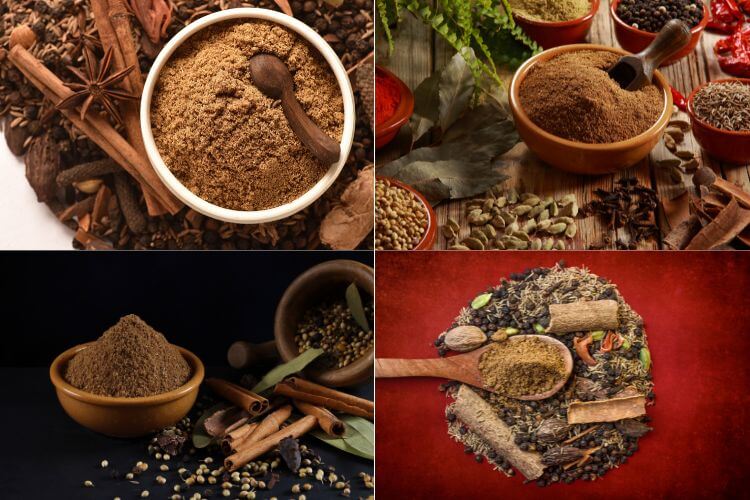
Heat takes on a major part in how these kinds of compounds behave during cooking. When complete spices are subjected to heat, whether or not through dry roasting or tempering within hot oil, the particular increased temperature will cause these volatile ingredients to become more active, releasing stronger aromas than what would be detectable at room temp. This is exactly why the smell associated with spices intensifies consequently dramatically the instant they hit a warm pan, a result of these compounds evaporating in addition to interacting with the surrounding air.
Oil-based cooking food methods, such while tempering, are especially effective at taking out flavor from whole spices because many of these aromatic compounds happen to be fat-soluble rather as compared to water-soluble. This implies they dissolve considerably more readily into warm oil or ghee than they can directly into water alone. This specific scientific detail explains why tempering, somewhat than simply cooking food spices in drinking water, is such a great effective technique for creating a flavorful bottom in many traditional dishes.
Grinding features another layer to this chemical procedure. When a complete spice is crushed or ground, the cellular structure fractures open, exposing a much larger surface region to air. This specific increased exposure boosts a procedure called oxidation, the location where the aromatic compounds begin reacting using oxygen and slowly breaking down. This will be the primary clinical reason why ground spices lose their particular potency far considerably more quickly than whole ones, since the protecting barrier that once contained these chemical substances has been literally broken.
Light plus moisture further effect this breakdown process. Ultraviolet light could degrade certain perfumed compounds over moment, that is part regarding why prolonged sun rays exposure causes equally color fading and flavor loss throughout stored spices. Wetness, on the various other hand, can modify the chemical stability of these compounds, occasionally accelerating degradation or even, in more serious cases, creating circumstances favorable for mould growth, which even more compromises both protection and flavor quality.
Different spices furthermore have varying sensitivity to these components, which is precisely why some whole seasonings maintain their strength for a lot longer periods than others. Denser spices with decrease surface area in accordance with their volume, for example whole nutmeg or perhaps cinnamon bark, often retain their fragrant compounds longer compared to more delicate, smaller seeds that have got proportionally more surface area exposed also in their whole form.
Understanding whole spices online underlying science reephasizes many traditional food preparation practices that may otherwise seem centered purely on habit or intuition. Roasting spices just just before grinding, storing all of them away from heat and light, in addition to using tempering approaches that depend on essential oil rather than water all align tightly with what will be scientifically understood regarding how these perfumed compounds behave. This kind of connection between tradition and chemistry is part of why many time-tested cooking food methods continue in order to hold up so effectively, even when reviewed through an even more scientific lens.